The most common signs of low iron with heavy periods are persistent tiredness, looking paler than usual, breathlessness on mild effort, dizziness, headaches and a racing heart. Heavy menstrual bleeding is one of the main reasons women run low on iron, because iron is lost along with the blood. These signs can have other causes too, so a simple blood test from your GP is the only reliable way to know.
Why do periods affect your iron levels?
Iron is a key part of haemoglobin, the protein in red blood cells that carries oxygen around your body. Every period removes some blood, and therefore some iron. When bleeding is light to moderate, a balanced diet usually replaces what is lost. When periods are heavy or long, the losses can outpace what you absorb from food, and stores gradually run down.
Researchers describe iron deficiency as one of the most common micronutrient problems worldwide, and it affects women disproportionately across their lives. A 2026 narrative review notes that women with higher physiological demands, such as during menstruation, pregnancy and perimenopause, are particularly exposed (see the references below).
Iron stores can become low before you are technically anaemic. That is why you can feel unwell even when a basic haemoglobin result looks acceptable, and why ferritin (the stored-iron marker) is often checked as well.
Which signs suggest low iron?
Symptoms tend to creep in slowly, so many women get used to them. Common ones include:
- Constant tiredness that sleep does not fix, often with low motivation or trouble concentrating
- Pale skin, or pale inner eyelids and gums
- Breathlessness or a pounding heart on stairs or a short walk
- Dizziness or light-headedness, especially when standing up
- Headaches and feeling unusually cold, particularly hands and feet
- Hair shedding, brittle nails or a sore, smooth tongue
- Restless legs in the evening, or an unusual urge to chew ice
Tiredness is the one most women notice first, but it is also very non-specific. If your energy dips mainly in the days before your period, our article on why you may feel so tired before your period explains the hormonal side. Tiredness that lasts all month, or that comes with heavy bleeding, deserves a closer look.
What counts as a heavy period?
It is hard to judge your own flow, so look at how it affects daily life. Signs that bleeding may be heavy include:
- Soaking through a pad or tampon every hour or two
- Needing to change protection overnight, or using two products at once
- Passing large clots
- Bleeding that lasts longer than a week
- Avoiding social plans, exercise or work because of leaks
If this sounds familiar, our guide on heavy periods and when to see a doctor goes through the possible causes, such as fibroids, polyps, hormonal changes or thyroid problems, and what an assessment involves.
Could it be your thyroid instead?
Possibly, and the two can be connected. Iron is needed to make and process thyroid hormones, and the symptoms of iron deficiency overlap with those of an underactive thyroid: fatigue, feeling cold, hair thinning and low mood. The 2026 review mentioned above also points out that ferritin and other iron markers can be tricky to interpret in people with thyroid conditions.
This is a reason not to guess. Heavy periods can themselves be linked to thyroid problems, so if you are tired, cold and bleeding heavily, ask your GP whether thyroid function should be checked alongside iron.
How is low iron checked, and what helps?
Your GP can arrange a blood test, usually a full blood count and ferritin, and may check other markers depending on your symptoms. If iron is low, they will also want to look at why, which often means addressing the heavy bleeding as well as the deficiency.
Please do not self-prescribe iron
Iron tablets can cause constipation and stomach upset, and taking iron when you do not need it is not harmless. Ask your GP or pharmacist about the right approach for you before starting any supplement.
Everyday food habits
Food cannot treat a deficiency, but it supports your overall intake. Some practical ideas:
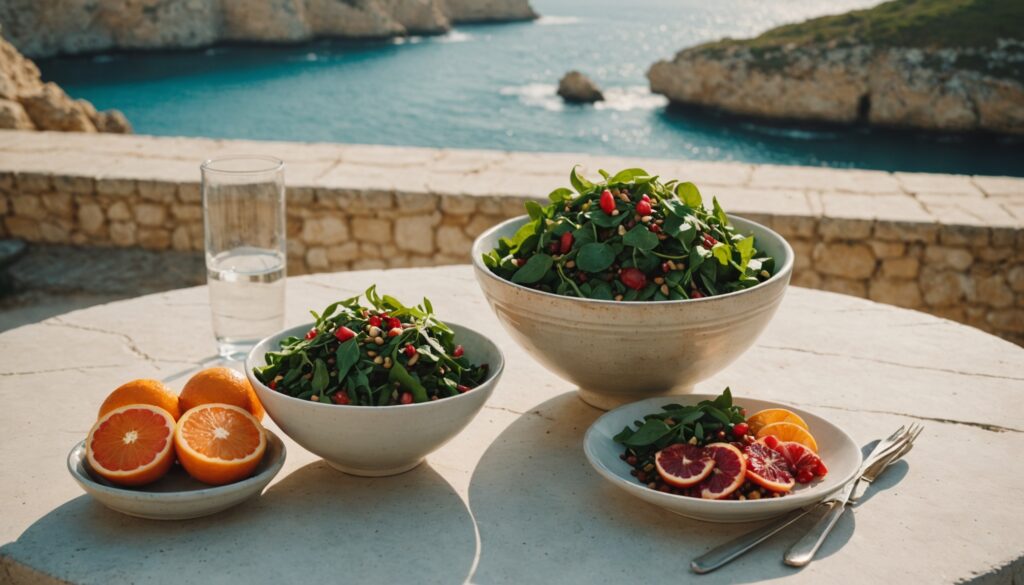
- Include iron-containing foods such as lentils, chickpeas, broad beans, leafy greens, eggs, sardines and, if you eat it, red meat or rabbit
- Pair plant sources with vitamin C foods, such as peppers, tomatoes, citrus or strawberries, which help absorption
- Have tea and coffee between meals rather than with them, as they can reduce iron absorption
Research has looked at food-based approaches in iron-deficient menstruating women. One 16-week randomised trial of 109 women gave either iron-fortified or iron and vitamin D-fortified skim milk as part of their usual diet. Iron and calcium intakes rose in both groups, and vitamin D levels were higher in the group receiving the added vitamin D. It was a single study of fortified products, so it does not show that any particular food will correct low iron, but it reflects how diet and iron status are being studied together.
When should you see a GP?
Book an appointment if you have several of the signs above, especially alongside heavy periods. Seek prompt medical help if you have chest pain, fainting, severe breathlessness, or sudden very heavy bleeding. If you are vegetarian or vegan, have had a recent pregnancy, or are approaching perimenopause, mention this too, as your iron needs and risks may differ.
It helps to note how many days you bleed, how often you change protection and any other symptoms for a couple of cycles. This gives your doctor a clearer picture. This blog is written by the team behind Brasil Botanique, a wellness brand being created for women in Malta, and our aim is simply to help you walk into that appointment informed.
Frequently asked questions
Can I have low iron without heavy periods?
Yes. Low intake, poor absorption, pregnancy, frequent blood donation or digestive conditions can also contribute. Heavy bleeding is just one of the most common causes in menstruating women.
Is feeling tired all the time enough to suspect low iron?
Not on its own. Tiredness has many causes, including poor sleep, stress, thyroid issues and low vitamin levels. A blood test is the way to find out.
Does a normal haemoglobin mean my iron is fine?
Not always. Stores can be low before haemoglobin drops. If you have symptoms, ask your GP whether ferritin can be checked as well.
Can I fix low iron with food alone?
Food supports your overall intake, but it does not treat a deficiency. If tests show low iron, follow your GP or pharmacist’s advice on the best approach.