Bloating before your period is usually linked to the hormonal changes of the second half of your cycle, which can affect how your body handles fluid, salt and digestion. For many women it is a normal, temporary part of premenstrual syndrome (PMS), and it tends to ease once bleeding starts. If it is severe, lasts all month or comes with other worrying symptoms, it is worth speaking to your GP.
What is actually happening in your body?
In the days before a period, levels of oestrogen and progesterone shift considerably. These hormones influence more than your uterus: they also interact with systems that regulate fluid balance and with the muscles of your gut. The result can be a feeling of tightness, a swollen tummy, puffy fingers or ankles, and tender breasts.
Researchers are still working out exactly why some women feel this more than others. One small study from the 1990s measured several hormones across the cycle in 19 women with PMS and 12 women without it. It found that levels of arginine vasopressin, a hormone involved in fluid regulation, were lower in women with symptomatic PMS. The authors suggested that some women may have an underlying neurobiological vulnerability to premenstrual symptoms (Rosenstein et al., 1996). It is a small study, so it points to a possible explanation rather than a final answer.
The takeaway is that premenstrual bloating is not a sign that you are doing something wrong. It reflects how your body responds to normal hormonal fluctuations, and that response varies from woman to woman.
Is it water retention or digestive bloating?
The two often get mixed up, and you may have both.
Fluid-related symptoms
- Swelling in the hands, feet or ankles
- Rings or shoes feeling tighter
- Tender or heavy breasts
- A temporary rise on the scales that settles after your period starts
Digestive symptoms
- A gassy, distended abdomen, often worse after meals
- Constipation or looser stools in the days before bleeding
- Cramping and changes in appetite or cravings
A symptom diary kept for two or three cycles can help you see which pattern fits you. Note the day of your cycle, what you ate, how much you moved and how you felt. It also gives your GP something concrete to work from if you need to seek advice.
How common is it?
Very common. A survey of 5,728 women aged 18 to 45 across 12 European countries looked at menstrual-related symptoms before and during bleeding, which shows how widespread these complaints are and how seriously researchers take them (Lete et al., 2017). Many women live with premenstrual bloating without ever mentioning it to a health professional, assuming nothing can be done. There are sensible steps you can take, and you do not have to put up with it silently.
What may help ease premenstrual bloating?
None of the following is a medical treatment, and results vary, but these are reasonable, low-risk habits to try.
Look at salt, caffeine and refined sugar
An older review of nutritional factors in premenstrual syndromes suggested that women with fluid-related symptoms might benefit from limiting sodium and cutting back on caffeine and nicotine (Abraham, 1983). The evidence is dated, but the advice is sensible. In Malta, it is easy for salt to creep up through savoury pastries, cured meats, olives, salted capers, tinned fish and takeaway food, so the week before your period is a good time to notice how much you are eating.
Stay hydrated, especially in the heat
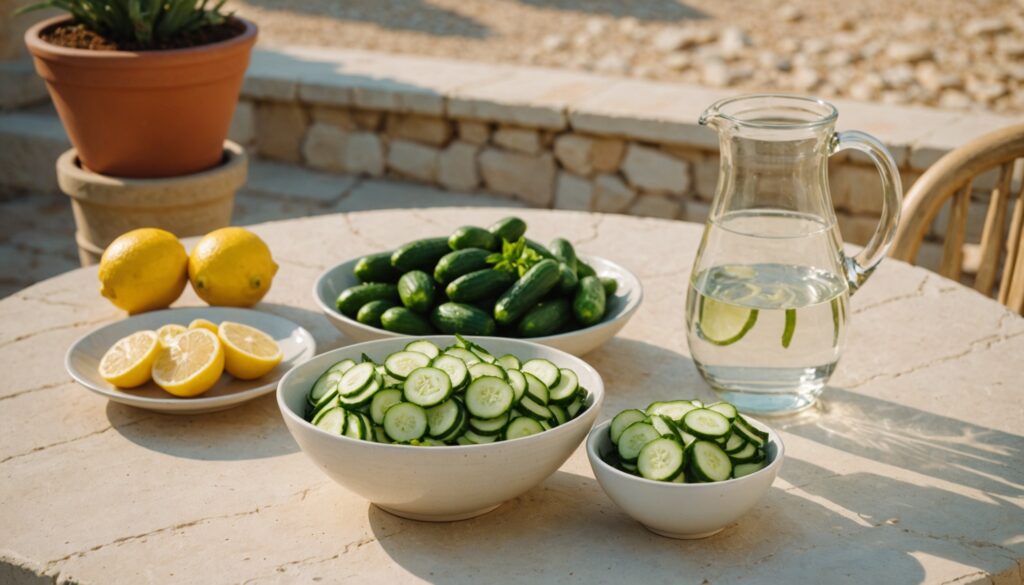
It sounds contradictory, but drinking enough water can help when you feel puffy. During Malta’s hot, humid summers, fluid needs rise, and being a little dehydrated can make you feel more sluggish and swollen. Water, herbal teas and water-rich foods such as cucumber, tomatoes and melon all count.
Move your body gently
Walking, swimming or yoga can encourage digestion and circulation. A walk along the seafront in the cooler part of the day is often enough to make you feel less heavy.
Eat for steadier digestion
- Include fibre from vegetables, pulses, fruit and wholegrains, increasing gradually so you do not add to the gas.
- Eat regular meals rather than long gaps followed by large portions.
- If fizzy drinks or very large meals make you feel worse, notice that pattern and adjust.
What about magnesium and other supplements?
Magnesium is one of the most discussed nutrients for PMS. In a randomised, double-blind, placebo-controlled crossover study of 38 women, 200 mg of magnesium (as magnesium oxide) taken daily for two cycles made no difference in the first month. In the second month, however, the women reported a greater reduction in mild symptoms of fluid retention, including swelling, breast tenderness and abdominal bloating, than on placebo (Walker et al., 1998). This is a small trial, so it is encouraging but not conclusive. You can read more in our article Does magnesium help with PMS symptoms?
The 1983 review mentioned above also discussed vitamin B6 at doses of 200 to 800 mg a day. Those are very high doses, well above what is normally recommended, and long-term high intakes of B6 are known to carry risks. Please do not experiment with large doses. Speak to a pharmacist or your GP before starting any supplement, particularly if you take other medication or are pregnant or breastfeeding. Supplements are not a treatment for any condition.
Can hormonal contraception change bloating?
It can, in both directions. Some women notice more fluid-related symptoms on certain pills, while others find them easier. Drospirenone is a progestogen with antimineralocorticoid activity, meaning it acts on the body’s salt and water balance. In studies reviewed in 2005, women using a drospirenone-containing contraceptive or hormone therapy had little or no weight gain, and in one HRT study average body weight fell slightly after a year (Foidart, 2005). That does not mean it is right for everyone, and the decision belongs with your GP or gynaecologist, who can weigh up your health history and other risks.
When should bloating be checked by a GP?
Make an appointment if you notice any of the following:
- Bloating that is persistent, rather than clearly tied to the days before your period
- Significant pelvic or abdominal pain
- Feeling full quickly or loss of appetite
- Unexplained weight change, or changes in bowel habits that continue after your period
- Very heavy bleeding, or severe mood symptoms alongside the bloating
If your mood changes feel intense as well as the physical symptoms, it can help to understand the difference between PMS and PMDD before you speak to your doctor.
Frequently asked questions
How long before my period does bloating start?
It varies, but many women notice it in the week or so before bleeding, and it usually settles within a few days of the period starting. If it lasts much longer or does not follow your cycle, mention it to your GP.
Is premenstrual bloating real weight gain?
Usually it is temporary fluid and digestive changes rather than a change in body fat. Studies of fluid-related premenstrual symptoms include weight gain and swelling as part of the picture, and these tend to settle once the cycle moves on.
Does drinking more water make bloating worse?
Generally not. Staying well hydrated is more likely to help than hinder, particularly in Malta’s warm weather. If you have a heart or kidney condition and have been told to restrict fluids, follow your doctor’s advice.
Should I take supplements for bloating?
Not without checking first. Some nutrients have been studied for premenstrual symptoms, but the evidence is limited, and supplements do not treat or prevent any condition. A pharmacist or GP can advise what is appropriate for you.
References
- Peripheral measures of arginine vasopressin, atrial natriuretic peptide and ACTH in premenstrual syndrome (1996)
- The ISY survey: premenstrual symptoms among 5728 women in Europe (2017)
- Nutritional factors in the etiology of the premenstrual tension syndromes (1983)
- Magnesium supplementation alleviates premenstrual symptoms of fluid retention (1998)
- Added benefits of drospirenone for compliance (2005)